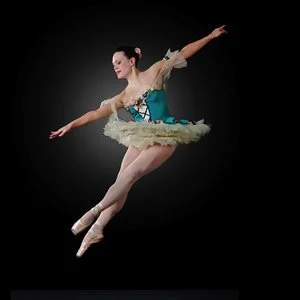
When your Ballet 1 class already knows dance class etiquette
Imagine walking into your Ballet 1 class at the start of the year and your students already know:
How to stand in their spot in line
How to listen for instructions
How to wait their turn
How to move through the ballet class structure
Notice none of these things have anything to do with technique or ballet steps. That’s why your preschool and early childhood dance classes need to focus on things other than dance steps. The secret to an amazing early childhood dance class—beyond teaching through imagination and playful activities—is to teach classroom etiquette. The most important things a child can take from their early dance experience (besides joy!) is understanding how to behave in a dance class and what is expected of them.
When you have an early childhood dance program that teaches these things, it sets your beginning students up for success when they are developmentally and physically ready to begin what we might consider “real” technique around 7 or 8.
Without this in your early dance classes, your Ballet 1 class may feel chaotic and even overwhelming when it comes to behavior. Instead of being able to teach technique, you and your teachers may have to spend a lot of time backtracking on what is expected in a structured ballet class.
And what about students who start around age 7 or 8? Well, when you have a class where the majority of them know how to behave in a ballet class, the ones who are new tend to follow along and pick up on what they should be doing pretty quickly.
While I’ve been using ballet in my example so far, this is really true with any form of dance. Ballet does tend to be the most structured, so I think it’s where we can see the benefits of having children begin a Ballet 1 class already understanding expectations and the class flow. But really, any dance form can benefit in the same way.
We expect to have to spend plenty of time on dance class etiquette and class behavior in the early years. And that really pays off later on. That’s why strong preschool dance programs often become one of the most important long-term growth drivers for a studio.
Inside the Little Dancer Program, we build that foundation from the very first class so students grow into your older dance classes rather than starting from scratch. If your studio classes could use a clearer progression from the early years through elementary—so your older children’s classes can focus on technique over behavior, check it out.
Very soon, I’ll share how dance teacher Danielle Brabston uses lesson plans from the Little Dancer Program to stay organized and keep learning, creativity, and imagination alive in her preschool dance classes.
Back soon!
Ashley and the Little Dancer Team