Meet Ashley Hartford: The Story Behind Little Dancer
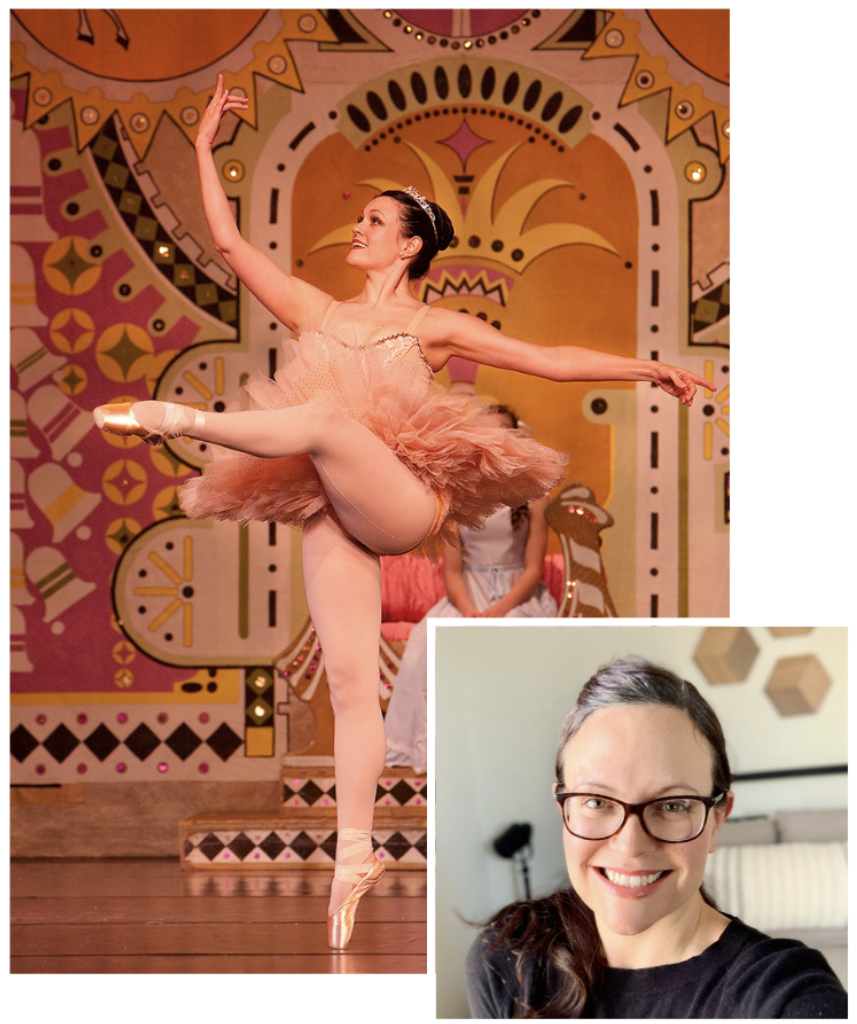
Hi everyone! It's been a while since I've shared my own story, so I thought I'd take a little time today to introduce myself, tell you about my background in dance, and explain how Little Dancer came to be. :-)
If you've been following me for a while, you probably know that I love teaching dance to young children through stories, imagination, and creative movement. But what you may not know is that I didn't always teach this way. In fact, when I first started teaching preschool ballet, I struggled quite a bit!
I had spent most of my life studying ballet, and I knew how to teach the steps. What I didn't know was how to teach those steps to a room full of two-, three-, and four-year-olds who weren't particularly interested in doing what I'd planned. It took quite a bit of trial and error, along with a better understanding of early childhood development, to figure out what worked.
But before I get into all of that, let me tell you a little about how I got started in dance.
How I Fell in Love With Ballet
My love for ballet began when I saw The Nutcracker on television, followed by a performance of Cinderella during a school field trip. I was completely hooked! Although ballet was always my first love, I also grew up studying jazz, modern, and tap, and I danced on my high school dance team.
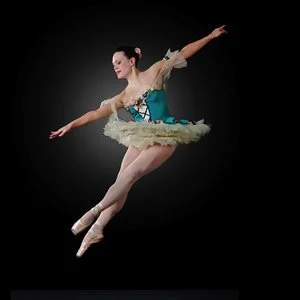
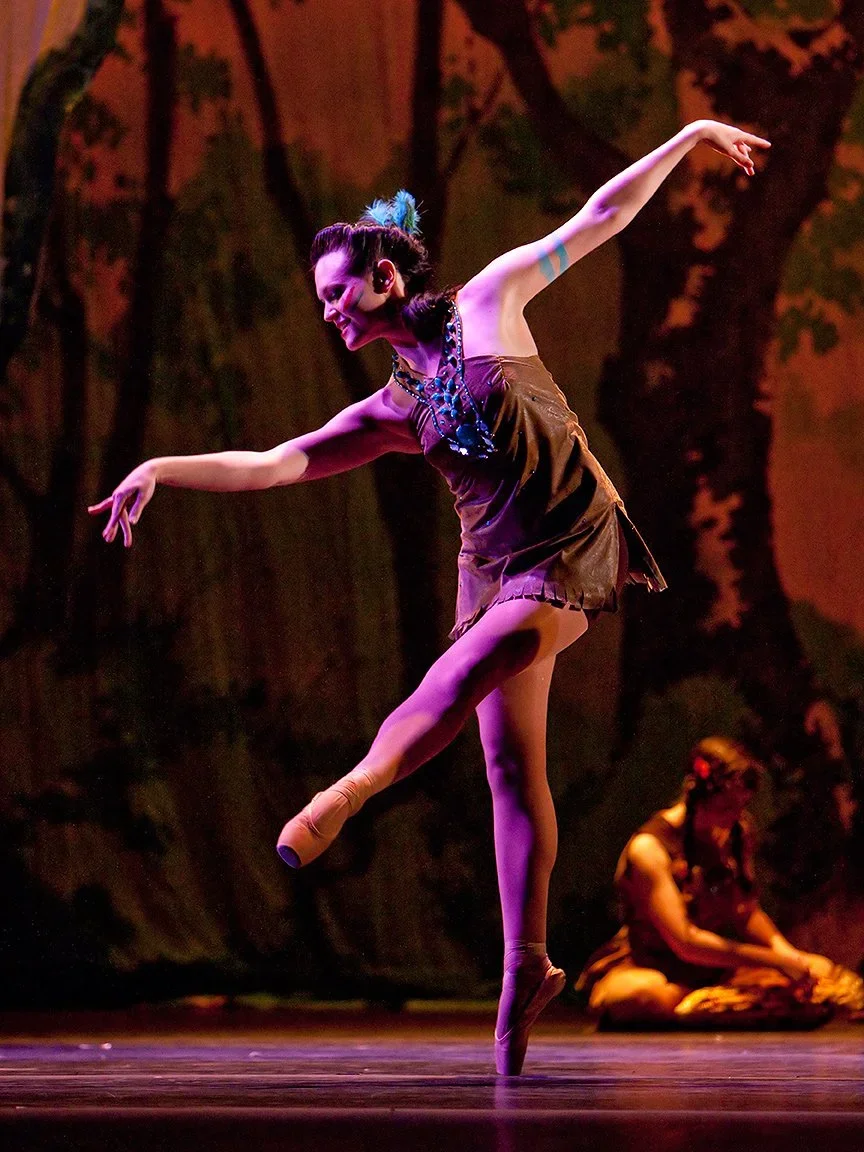
I eventually went on to dance professionally with the Appalachian Ballet Company, where I spent two years as a soloist followed by six years as a principal dancer. I had the opportunity to perform some wonderful roles, including the Dew Drop Fairy in The Nutcracker, the Lilac Fairy in The Sleeping Beauty, the Autumn Fairy in Cinderella, and Tiger Lily in Peter Pan. I also loved performing contemporary ballets and other works that gave me opportunities to explore different styles of movement.
Dance was such a big part of my life, and I loved the challenge of working toward something that required so much dedication and attention to detail. I loved the music, the stories, and the artistry of ballet, but I also loved the technical side of it. There's something incredibly satisfying about working on a movement until you finally understand how to perform it correctly.
When I began teaching, I naturally wanted to share that love of dance with my students. What I hadn't anticipated was just how different teaching young children would be from teaching older ballet students!
My First Experiences Teaching Preschool Dance
I started teaching dance to young children more than twenty years ago. My earliest classes drew from creative dance approaches such as those taught by Anne Green Gilbert, along with children's ballet programs including Leap 'N Learn and the Royal Academy of Dance.
But despite my professional dance background, teaching preschoolers was hard!
I had students who talked through what seemed like ALL of class. Some wandered around the room instead of participating, while others decided they'd rather create their own dances than wait in line for their turns. And then there were the students who genuinely wanted to learn but were becoming frustrated because the exercises I was giving them were too difficult.
Looking back, I can see that I was expecting too much of my youngest students. I was introducing technique that wasn't always appropriate for their developmental abilities, and I was structuring class in ways that required more attention and self-control than many of them were ready to demonstrate.
But at the time, I was simply frustrated. I loved ballet, I loved teaching, and I couldn't understand why it was so difficult to share that love with young children. I wanted my students to enjoy coming to class. I wanted them to be excited about learning and to look forward to dancing from one week to the next. I wanted to be the preschool dance teacher whose classes children loved and whose parents felt confident they were receiving a wonderful introduction to dance.
So why was it so hard?
Discovering the Power of Imagination
Eventually, I began noticing something interesting. There was one type of activity that almost always captured my students' attention: anything involving fairy tales!
Whenever we pretended to be princesses, fairies, or characters from a familiar story, my students were suddenly much more interested in participating. They were excited to move, eager to follow along, and often happy to repeat exercises that had been difficult to keep them interested in before.
At first, I thought it was simply because children loved fairy tales. But as I experimented with other themes, I began to realize that it wasn't necessarily the fairy tales themselves. It was the role playing.
My students loved pretending to be someone or something else. And when I gave them a reason to perform a movement within an imaginative story, they were much more willing to practice it.
I began incorporating more story-based activities into my classes. We'd pretend to swim with mermaids, explore oceans, fly with Peter Pan, or travel into outer space. Sometimes we'd spend class getting ready for Cinderella's ball, practicing our dancing before arriving at the royal palace.
At first, my lessons were a collection of imaginative activities built around different stories and themes. They were certainly more engaging than what I'd been doing before, but I discovered that something worked even better. Rather than switching from one unrelated theme to another, I began planning entire classes around a single story or adventure.
Suddenly, exercises that had once seemed disconnected could become part of a larger experience. A warm-up might prepare us for our adventure, traveling exercises could take us from one place to another, and creative movement could give students opportunities to explore the story through their own dancing.
And because the children were so involved in what we were pretending to do, they were often practicing movement skills without giving much thought to the fact that they were repeating an exercise.
I was still teaching dance. I was simply learning how to teach it in a way that made sense to my students.
Then I Became a Mama
Becoming a mother gave me another perspective on teaching young children, and it deepened my interest in early childhood development.
I began thinking more about everything children are learning during those first few years of life. They're developing language, coordination, attention, social skills, and an understanding of the world around them. And so much of that learning happens through movement, exploration, and play.
Children are meant to move! They're meant to climb, jump, balance, crawl, dance, and explore what their bodies can do. Those activities help them develop strength, balance, coordination, and body awareness, while giving them opportunities to solve problems, follow directions, and interact with the world around them.
Movement and physical activity also play important roles in children's overall development, including aspects of attention, learning, and emotional well-being. That doesn't mean a particular dance exercise will automatically improve a child's concentration or produce a specific developmental result. But it does mean that thoughtful movement experiences can provide valuable opportunities for children to practice a wide variety of developing skills.
And I began thinking about how much more preschool dance could offer than simply preparing children for formal ballet classes.
Of course, I still wanted to introduce foundational dance skills. I wanted my students to learn basic terminology, develop coordination and musicality, and begin building the movement skills they'd need as they grew older. But I also wanted my classes to support their broader development.
I wanted students to practice taking turns and following directions, but with expectations appropriate for their ages. I wanted them to develop confidence, explore their creativity, and learn to express themselves through movement. And I wanted them to have fun doing it!
As I continued developing my curriculum, I became much more intentional about choosing imaginative activities that supported particular movement concepts and developmental objectives.
Creating Once Upon a Ballet and Little Dancer

Eventually, I opened my own dance studio, where I had the opportunity to put many of these ideas into practice and continue developing my curriculum. That curriculum became Once Upon a Ballet.
My goal was to create story-based dance lessons that would help teachers introduce real dance concepts through imaginative activities. I wanted teachers to have something that was fun and engaging for their students, but also thoughtfully planned, developmentally appropriate, and educational.
Over time, Once Upon a Ballet grew beyond the classes I was teaching myself. I began sharing my lesson plans and teaching resources with other instructors, and eventually the curriculum was being used by more than 1,600 teachers in over 30 countries around the world!
That was something I never could have imagined when I first started teaching a few ballet classes each week.
As my work developed, I also created resources for teachers working with older children who were ready for more formal ballet training. I believe strongly in teaching correct ballet technique, and I don't think imagination and technical excellence have to be at odds with one another. But the way we introduce ballet to a three-year-old should be quite different from the way we teach a nine-year-old.
Today, Little Dancer is the home of my preschool and early childhood dance teaching resources. It's where I focus on helping teachers create imaginative, purposeful dance classes for toddlers and preschoolers.
My approach is still based on the same principles I developed in my own classroom: teach movement concepts through stories and play, consider children's developmental abilities, and help young dancers build a foundation for more formal dance instruction as they grow.
Continuing My Education as a Ballet Teacher
As I developed my own approach to teaching, I also continued my training in ballet pedagogy. I wanted to better understand not only how ballet technique should be taught, but also when particular skills should be introduced and how students progress from one level to the next.
I'm an American Ballet Theatre National Training Curriculum Certified Teacher in Pre-Primary through Level 7. I've also attended the Central Pennsylvania Youth Ballet Teacher Workshop with the late Marcia Dale Weary and completed the Bolshoi Ballet Academy's Pre-Ballet Vaganova Syllabus Seminar with Ekaterina Trunina, which focused on teaching children ages five to nine.
In addition to my dance training, I have a Bachelor of Arts degree from the University of Tennessee and completed certification as a health coach with a focus on children and families.
All of those experiences have influenced the way I think about teaching. My professional ballet background gave me a strong appreciation for correct technique and thoughtful progression. My teacher training helped me better understand how to introduce and develop that technique. And my experiences teaching preschoolers and raising my own children have made me much more aware of the importance of considering child development when planning classes.
I don't think we need to choose between providing a wonderful, imaginative dance experience and giving children quality instruction. We can do both, provided we're teaching skills that are appropriate for the ages and abilities of our students.
What I Want Little Dancer to Help Teachers Accomplish
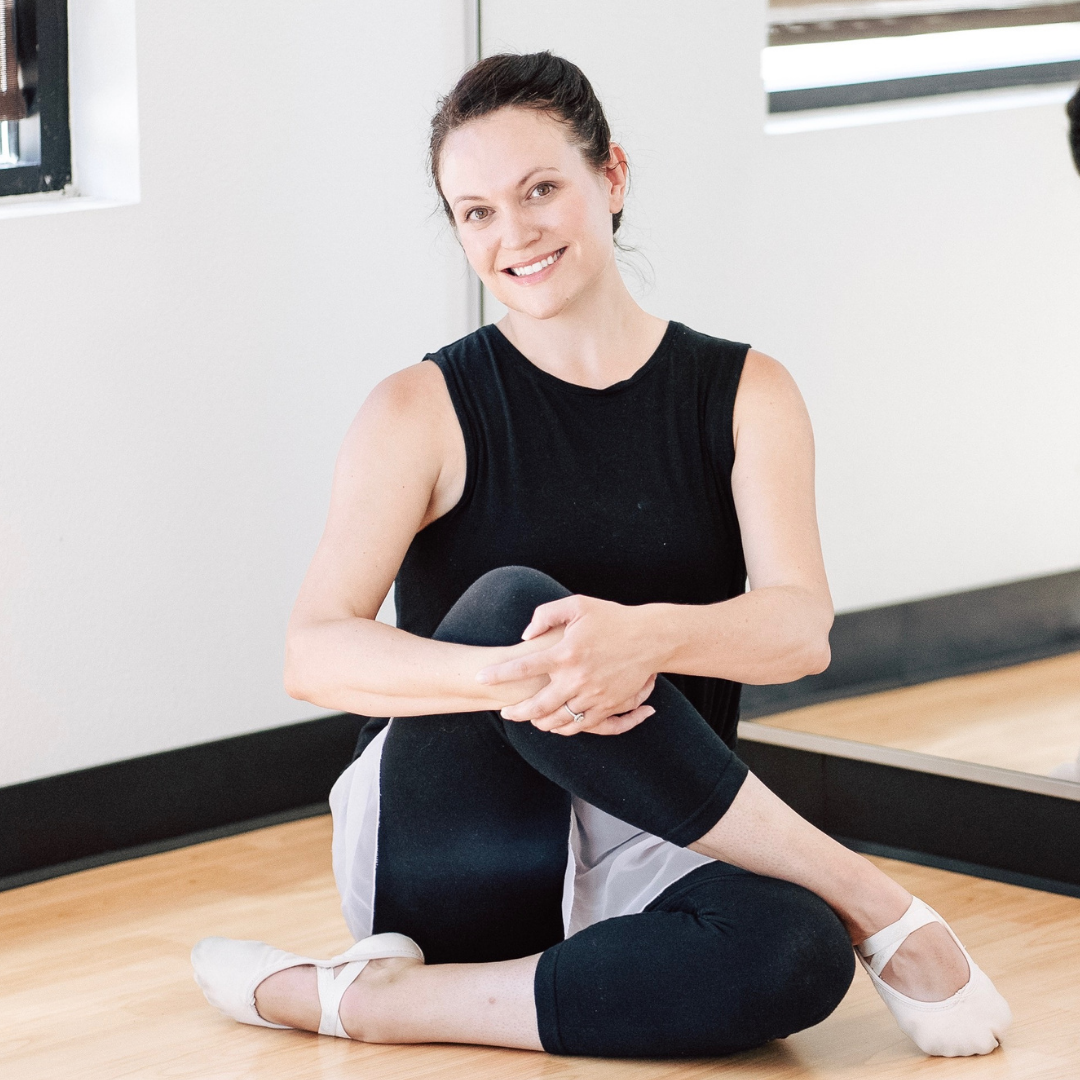
One of the things I've learned from working with dance teachers and studio owners over the years is that many teachers receive very little training in early childhood development before they're assigned their first preschool classes.
They may be accomplished dancers and have a good understanding of ballet or another dance style, but that doesn't automatically prepare them to teach a group of two-, three-, or four-year-olds.
I certainly learned that lesson myself!
And I think it's one reason preschool dance teaching can be so frustrating for instructors who haven't had much experience working with young children. They may know exactly what movement they want to teach, but not how to introduce it in a way their students can understand. Or they may have wonderful ideas for exercises but struggle with classroom management, transitions, and keeping students interested.
That's what I want Little Dancer to help with.
Through story-based lesson plans, teaching resources, and teacher education, I want to help instructors understand both what they're teaching and why they're teaching it. I want teachers to feel more confident planning classes, choosing age-appropriate movement activities, and recognizing the many ways young children learn through dance.
And I want their students to have wonderful experiences in the classroom! I want them to be excited when it's time for dance each week, to discover new things they can do with their bodies, and to develop a love of movement that stays with them as they grow.
For those who continue dancing, I hope the experiences they have in their earliest classes give them a strong foundation for more formal instruction later on. And for those who never take another dance class after preschool, I still want their time in the studio to have been worthwhile.
Thank You for Being Part of Little Dancer!
One of my favorite things about sharing my teaching resources has been hearing from teachers around the world who are using them in their own classrooms. What began with a few classes I taught myself has reached children in places I may never have the opportunity to visit.
I love hearing about the different ways teachers bring stories and imagination into their classes, the activities their students especially enjoy, and the progress they're seeing as their young dancers grow.
And to those of you who have used my lesson plans, courses, or other teaching resources over the years, thank you! Thank you for trusting me to play a small part in your teaching and for all the work you do with your students.
I know how much thought, energy, and patience it takes to teach young children well. And I hope Little Dancer continues to make that work a little easier, a little more enjoyable, and a lot more imaginative.
Because I still believe childhood should be magical.
And I think dance class should be, too. :-)