
Teaching Preschool Dance
I’m so excited you’re joining us in this training: Teaching Preschool Dance! You’ll be able to access everything for this course from this page. You are going to learn so much about teaching preschool dance!
Here’s to teaching amazing preschool dance classes!
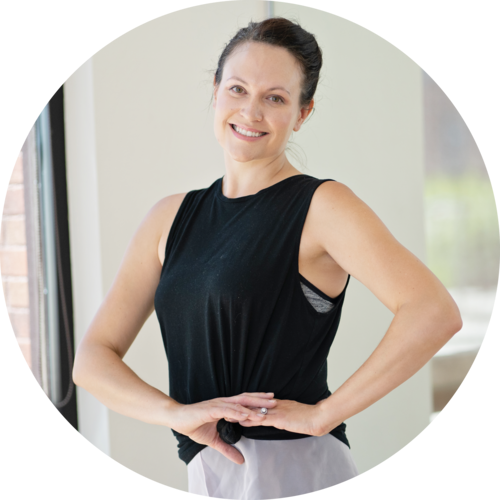
Ashley Hartford
Founder + Lead Creator of Little Dancer
What does it mean to be a teacher
2. How should child development guide our teaching in the dance classroom
Our next video is a quick overview of brain development in toddlers and preschoolers.
If you’d like to dive deeper into this topic, it can be fascinating! I’ve included links to a few online articles that I thought were great in providing the right level of detail on brain development and how it affects children at different ages. This is a three-part series. (The third article is the most relevant to this topic, but the other two provide good information too.)
Ever wonder what’s going on in your kid’s developing brain?
How you shape your child’s developing brain
A brief overview of the developing brain: How you can help your kids thrive as they grow
3. Making class fun and imaginative
This is SO IMPORTANT for teaching this age group! I hope if nothing else, taking this course will make your toddler and preschool dance classes more fun and imaginative. Whether we’re teaching a regular class, while social distancing, or online, we need to bring magic to our classes.
When our classes are filled with imagination and creativity, our young students pay better attention and are much more engaged. They can’t wait to come to class and they can’t wait to do the next dance activity.
4. Identifying and connecting with each learning style
There are 4 main learning styles: visual, auditory, tactile, and kinesthetic. Many students learn best through a combination of each, but usually have one style that is their dominant learning style.
When we understand our students have different learning styles and therefore learning needs, we can more effective teach and communicate with them—even as toddlers and preschoolers!
Remember, learning isn’t one-size-fits-all. Your students will fall into a variety of these learning styles. A single student may even fall into more than one learning style. When you have conversations with your students (and their parents in the case of a toddler class), ask them about the things they like to do. This will not only help you form a connection with your students (and their parents); it will also help you learn about your students’ learning styles.
How Do You Know Your Students’ Learning Styles?
Visual Learners
Excel at visual activities (such as art)
Enjoys books that include illustrations (such as pictures, graphs, maps, etc.)
Is good at recognizing and recalling people, words, and places
Is interested in objects around him or her
Does best when provided an example of the task he or she is working on
Tips for Teaching Visual Learners
Demonstrate exercises and activities
Use vivid imagery when describing an exercise or activity
Auditory Learners
Excels at auditory activities (such as music)
Frequently sings, hums, or talks when playing or in class
Does well when following verbal instructions
Enjoys talking and having conversations with others
Listens to all the instructions before starting on a task
Asks a lot of questions when working on tasks or activities
Tips for Teaching Auditory Learners
Make sure you explain the exercise or activity verbally in addition to showing it
Make up rhymes, songs, or stories for activities
Talk through anything that may be difficult for the student
Have your students say instructions or steps after you
Tactile Learners
Enjoys coloring, drawing or scribbling
Is good at remembering what he or she has “read”
Works best alone in a quiet space
Does best when writing down instructions to follow for a task (which is a little out of our age group, but still worth noting)
Tips for Teaching Tactile Learners
Props are this type of student’s best friend, they will help them associate steps, activities and exercises with something (helping them to better remember and internalize the steps)
Kinesthetic Learners
Excels at physical activities (such as sports)
Has a hard time sitting still while learning
Enjoys hands-on activities
Enjoys active learning activities like drawing or study games
Prefers to jump straight into a task and get started
Tips for Teaching Kinesthetic Learners
Encourage your students to learn a step or activity by doing it with you as you demonstrate
Make sure activities are fun and include a lot of games in class
Props are also helpful in helping kinesthetic learners channel their energy into something as they are learning
5. An introduction to dance concepts
Here’s a quick introduction to dance concepts. While this does not cover every single dance concept, it is a good starting place. Here is a brief overview, whether it’s an introduction or a review for you!
6. Child development for 3 and 4 year olds in preschool dance
Child Development for 3 Year Olds
Preschoolers are developing quickly in cognitive, physical, social and emotional development. At 3 years old, this may be the first class a child has without his or her parent alongside. For many in this age group, this may also be the first classroom experience they’re ever had.
Child Development for 4 Year Olds
Four year olds are much like 3 year olds in many ways, but you’ll see them further developed in quite a few ways as well.
Young children develop so quickly that the attention span and communication skills of a 4 year old will be noticeably more advanced than that of a 3 year old. For some 4 year olds, this may still be their first classroom experience.
Four year olds are still working on concepts such as following directions, taking turns, and sharing, but you will likely be able to spend less time teaching classroom etiquette and more time teaching movement when you compare a 4 year old class with a 3 year old class. They are also continuing to progress in their physical coordination and self-awareness.
Four year olds still cannot think from another’s point of view, so things like sharing and waiting turns will still be hard for four year olds. Four year olds do have some increased motor control compared with three year olds. That is why we introduce very basic ballet steps with slight turnout at this age in the Once Upon A Ballet Curriculum.
Like three year olds:
4 year olds still love stories.
They still have very vivid imaginations.
We can encourage appropriate behavior by teaching classroom etiquette.
We can encourage engagement by using stories and themes (whether within each activity or in the entire class)
We can encourage good behavior by giving opportunity for choice from time to time and ample attention to positive behavior.
We can help them learn to better cope with their feelings by giving them activities in which they name and label different emotions.
7. Before your preschool dance class begins
Much like before beginning a toddler class, you’ll need to know what curriculum or syllabus you’ll be using and know it well. Even if you use ready-to-go lesson plans like what we have at Once Upon A Ballet, you’ll need to make sure you know your lesson plans well.
Make sure you always have a few backup activities planned in case something you have planned doesn’t go quite as well as you’ve planned.
Have your music ready. Have any props you’ll be using ready.
Also make sure you have goals in mind for both you as a teacher and for your students.
You’ll need to be sure the space you’re teaching in is clean, free from clutter and distractions, and ready.
Here is your goals worksheet and lesson planning worksheets. They are very similar in format to the ones in the toddler section of the course. However, what you would include in your lesson plans would be different for your preschool dance classes.
Pre-Lesson Planning Goals Worksheet
Lesson Planning Worksheet for Traditional and Social Distanced Classes for Preschool Dance
Lesson Planning Worksheet for Online Classes for Preschool Dance
Coming up, we’ll cover various elements to include in your preschool dance classes, along with examples of how to bring a little magic and imagination to them.
You don’t have to include every element of class listed below. In fact, there can be an element or two you choose to never do, and you can add your own! Think of your goals (from your Pre-Lesson Planning Goals Worksheet) as the food you want to make—let’s say chocolate chip cookies. Think of your lesson plans as your recipes for chocolate chip cookies. And think of these dance class elements as the ingredients you can use in your recipes. There’s more than one recipe out there to make chocolate chip cookies! You can also switch up the order of these class elements as you create your own lesson plans.
I start with the following order, but I let my story or theme guide any changes when I plan so my class will flow easily from one activity to the next. I try to keep my activities alternating between ones that don’t move much and ones that do move a lot. And of course, during class, if I find I need to change the order, modify an activity, or add a backup activity to keep my students learning and engaged, I’ll do so.
Before Class Begins
Make sure you know your curriculum and materials well. Have your pre-lesson plan goals filled out and your lesson plan filled out. Also be sure you have your music playlist ready, as well as any props or other materials you may need for class.
Welcoming Preschool Dance Students
Greet your students in a positive way. A little positivity can go a long way! This is a great time to connect with them. Take roll once class starts. If you decide to read a story, this can be a great time for that too. I like to take my students through a story or imaginative theme during each class. Reading them a quick story or showing them a book with images relating to the theme (such as Oceans) helps us transition into the story or theme as we start class.
Warming Up with BrainDance or Circle Stretch
For preschoolers, I like to do a quick welcome chant and song followed by an imaginative BrainDance sequence or circle stretch.
Exploration and Free Dance for Preschool Dance
This is where we briefly explain a dance concept and explore it. We often explore dance concepts most during free dance, but I do try to include the concept in other class activities as well.
Centre Barre for Preschool Dance
For me (because I’m ballet-based), I include a “centre barre” section in each class. (You could work on precursors to other skills here if you are at a much more contemporary studio, although a “barre” will still benefit your students even if your focus is contemporary.) For preschoolers, I’ll use an imaginative sequence that takes us through the movements.
Traveling for Preschool Dance
My favorite games for traveling are obstacle courses, using movement cards, or using finger puppets to inspire the movements.
Story Dance for Preschool Dance
In the preschool levels, students can benefit greatly from learning a short dance that tells a story. This dance is often what we show for a parent observation, or even a recital at the end of the year.
Centre Allegro for Preschool Dance
“Centre allegro” is the other more technical part of class (similar to “centre barre”). Keep this section VERY short and most of all FUN!
Music Activities for Preschool Dance
Music is a wonderful activity for children! This is a great time to explore a musical concept that relates to your dance concept earlier in class. (For example: exploring tempo with music after exploring speed earlier for dance; or exploring loud/quiet for music after exploring size earlier for dance.)
Choreography for Preschool Dance
Giving children as young as 3 and 4 year olds a chance to create their own movement patterns can be something very special to them, as well as spark their creativity.
Ending a Preschool Dance Class
Ending your class in the same or a similar way each time can help your preschoolers anticipate class is almost over. This can be a lullaby, a goodbye song or dance, or blowing bubbles for your students. It can also be something the resembles a reverence like a port de bras and a curtsy or bow.
8. Welcoming preschool dance students
Greet your students in a positive way. A little positivity can go a long way! This is a great time to connect with them. Take roll once class starts. If you decide to read a story, this can be a great time for that too. I like to take my students through a story or imaginative theme during each class. Reading them a quick story or showing them a book with images relating to the theme (such as Oceans) helps us transition into the story or theme as we start class.
Beginning with a Story
I’ve written a brief article about beginning your class time with stories. Please remember, this is not the only way to begin your classes. This is simply the way I usually begin my classes. I do also love reading stories to my students, so that may in part be why it works well for me. (If you hate reading to your class, this may not be the ideal route for you!) Until it’s posted, here is the draft:
Beginning Your Preschool Dance Class with Stories
For preschoolers, using the same welcome chant or song in each class can be a great way to let your students know the dancing part of class is starting. I like to include a short welcome chant and song followed by an imaginative BrainDance sequence to get their brains and bodies ready for the rest of class.
Welcoming with a Song
This is the welcome chant I use first. We count the number of students in class.
I follow the welcome chant by a welcome song that uses the students' names.
You can use just a chant or a song if you like. You can create your own. You can also search online. There are lots of examples on YouTube. Search “toddler welcome song”, “preschool welcome song” or “circle time welcome song” and you’ll get lots of ideas.
9. Warming up with BrainDance (Option 1)
We introduced the idea of warming up with a BrainDance when we covered our toddler class. I used to do a circle stretch for all of my preschoolers. Recently, I’ve rediscovered the BrainDance and have been using that instead for my younger preschooler classes.
I am still flexible in my lesson plans. For my younger preschoolers (around 3 years old), I’ll sneak in a few of the circle stretch movements in the BrainDance. And for my older preschoolers (around 4 years old), I now begin their circle stretch section of class with a breath pattern and a tactile pattern, which come from the BrainDance.
I think the braindance helps my younger students to focus better in class AND my parents love the science and benefits behind it.
Here’s a quick article on the BrainDance. It covers each of the different movement patterns that are included, and their order.
Getting Started with BrainDance
For the BrainDance, I don’t do anything significantly more advanced for my preschoolers when compared to my toddlers. However, I do expect them to participate much more than the toddlers. For toddlers, it’s fine if they watch to learn. For preschoolers, you might have a child or two who are extremely visual learners and may choose to sit and watch you instead of doing the movements with you. As long as they are paying attention, encourage their participation, but don’t force it. If they are very visual learners, they may prefer to watch something several times before trying it. You might even be surprised when after several weeks of them watching an exercise or activity, they’ll come to class one day and do the ENTIRE activity, from start to finish!
Activity Example
I like to use the class fairy tale, story or theme for my BrainDance because it keeps my students’ attentions. Below is an example of a BrainDance from our Princess and the Pea themed Once Upon A Ballet Level 1 lesson plan set.
The Princess and the Pea BrainDance
Breath: We’re outside the castle door. I wonder if anyone’s home? (Take a deep breath and knock three times.) No one answered. Let’s try again. (Take a deep breath and knock three times.)
Tactile: Oh no! It’s raining! (Tap rain drops from your head, down your arms and to your toes. Reverse the rain drops back up to your head.)
Core-Distal: This rain is making me chilly! Let’s reach out and grab our rain cape tightly around us! (Reach out far to the sides, sitting with the legs stretched in front of you, then pretend to wrap a cape around you as you pull your body into a tight ball shape.) Let’s try that again! (Repeat.)
You can ask your students here what color their capes are. As you do so, you can continue to repeat the core-distal movement pattern.
Head-Tail: I see a cat! Do you think he likes the rain? Is he a happy cat? Or a scared cat? Can you show me a happy cat? How about a scared cat? (Go through the cat-cow poses.)
Upper and Lower Body Halves: A prince has answered the door! Can we greet him? Let’s say, “Hello!” (Stand up and take your arms through a port de bras moving through, 1st, 5th and 2nd position. End with your hands on your hips.) And curtsy. (Plié in parallel with a slight bow of the head.) Let’s say, “Hello!” again. (Repeat the port de bras followed by a plié.)
Body Sides: The prince wants to know where we’ve come from. Let’s tell him we’ve traveled far and wide and are so very far from home. We’ve traveled far (step to the right and point right) and wide (step left and point left)—so very far (step right and point right) from home (step left and point left).
Cross-Lateral and Vestibular: I’m a real princess! (Sway right, left, right, left with the arms sweeping across the body.)
10. Warming up with circle stretch (Option 2)
You can certainly continue to warm your 4 year olds up with a BrainDance activity. Likewise, you can do a circle stretch warmup similar to that discussed below in your toddler and three year old classes.
As long as you’re warming your students up without doing stretches that are inappropriate for their age, you really can’t go wrong. And of course, keep it fun and engaging with a story or series of images!
For my 4 year old Once Upon A Ballet classes, I usually begin with a breath and tactile pattern from the BrainDance series. Then I pick around 6 of the following elements to go through with my students. What I choose is determined by anything we might be working on in the rest of that day’s class, including any dance concepts, and by what lends itself best with whatever story or theme I’m using for class.
Little Circle / Big Circle
Holding hands, students should be able to follow the teacher’s direction to make a little circle then a big circle. Repeat several times, ending in a big circle. You can us the image of blowing up a bubble or balloon and have your children blow out as your class expands to a big circle. Then say, “Pop!” and have your class shrink into a little circle again. Students may need to be reminded to keep their circle in the center of the room. This activity helps to set up circle time. It also helps students with the concept of size (little vs. big) and spatial awareness (creating a circle—a shape—in the center of the room).
For social distancing and at-home classes, little circle/big circle doesn’t work so well. However, especially if your students are used to beginning class with this exercise, you can have them make a little shape followed by a big shape and repeat several times. You can also still use the bubble or balloon image so they are blowing up their shape bigger and bigger. Then they “pop” their shape back to a little shape.
Wiggles and Wake Up
Have students wiggle different parts of the body to “wake up” each body part. You may use a wand to point to each body part. Or use a prop that matches the class story or theme to point to each body part to wiggle.
Optional: at the end of wiggles and wake up, you can have your students pretend to gather all of their sillies and wiggles and send them out the door or window.
Flex and Pointe
In a seated position with the legs stretched straight in front of them, students should be able to flex and point their feet while moving through their ankle joint. It may be difficult for many students at this age to sit up with their backs entirely straight for an extended period of time. This is completely normal for this age. Including this exercise in class each week will help your students develop strength and flexibility in their backs as well as their feet and ankles. Students may use their arms to help them sit up straight by placing them on the floor to help support themselves. (Of course, they should still work to sit up straight. They should not be slouching and propping themselves up with their arms.) Going through the demi pointe should be introduced in the next level. Flex and pointe combinations may point both feet together at the same time, alternate feet, or include some fun with tickling and wiggling the toes.
Stretch Forward
Students should be able to sit with their legs stretched straight in front of them and stretch forward over their legs. Using an image such as painting a color down the legs all the way to the toes makes stretching more fun for students of this age, as well as helps with proprioception and kinesthetic development (learning through feeling).
Hide and Seek
Students should begin sitting tall with their legs and feet stretched in front of them, arms in demi seconde with fingertips lightly touching the floor. They should curl into a ball, pulling their knees to their chest and wrapping their arms around their legs. They should then sit back up tall, with their legs and feet stretched in front of them and their arms in demi seconde. This exercise strengthens the abdominal muscles. It can also reinforce dynamics when done in either a slow, fluid motion or a quick, sharp motion.
Turning Out
In a seated position with the legs stretched straight in front of them with feet either flexed or pointed, students should be able to turn their legs out and back to parallel. Be sure students are turning their legs out at the hips. Once Ipon A Ballet Level 2 students may use their arms to help them sit with straight backs.
Butterfly Stretch
Students should be able to sit in a butterfly position, with the soles of their feet together and knees out. This position will help to open the hips for future turnout, but should not be forced. It will also build strength and flexibility in the back as students sit up straight. It will also build strength in their torso as they rock side to side as they “fly”. Please note that it bouncing is no longer an accepted method of stretching. Do not have students bounce their knees up and down to “fly”.
Port de Bras
In a standing or criss-cross, seated position, dancers should be able to move their arms in both quick, sharp movements and slower, fluid movements.
Clapping and Rhythm
While sitting in a criss-cross position during circle time, is an excellent time to work on musicality and rhythm with activities that involve clapping and/or simple musical instruments (like tambourines, shakers, and rhythm sticks).
Flying Fairies/Little Swims
Students should be able to lay on their tummies, raise their arms and legs a couple of inches off the floor, and hold the position with their arms and legs stretched long. For a more advanced version, have students a “swimming” motion by alternating which arms and legs are higher and lower. Their faces should be lifted just off the floor as well, but still facing the floor.
Mermaid Stretch
For a gentle back stretch, students should be able to lay on their tummies with their legs stretched straight on the floor behind them, and raise themselves up on their elbows. They should be able to turn their head from side to side while in this position. We do not recommend a full “cobra” position at this age because students do not yet have the cognitive ability and body awareness needed to perform the full stretch correctly, with the shoulders down and the tummy engaged to protect the lower back. This version of the mermaid stretch engages the upper back, helping to develop correct ballet poise and posture.
Center Stretch with Legs in Second
In a seated position, with the legs in a wide second, students should be able to walk their fingers forward to stretch and then back to recover to a seated position. Knees should remain facing the ceiling the entire time. Students should also be able to flex and point their feet while in this position.
Activity Example
Below is our circle stretch warm up series for a 4 year old preschool dance class following our Frozen Princess lesson plan set.
Frozen Princess Circle Stretch Warm Up
Skating and Turns (in a circle) - Begin with students standing in a circle. Optional: hold a scarf or ribbon streamers in the right hand. 1-8 “skate” in a circle, 1-8 two turns to the right. Repeat all. Alternate each week so you travel clockwise and turn right one week. Travel counterclockwise and turn left the next week.
Snowflake Port de Bras (standing) - Let’s pretend we are princesses (and princes) with magical powers. We can freeze anything and create magical winter wonderlands! Let’s start by making snowflakes. 1-2 raise the right arm to a high V and lower, 3-4 raise the left arm to a high V and lower, 5-8 raise both arms to a high V and lower. 1-8 cary the arms through a port de bras (1st, 5th, 2nd, bras bas).
Ice Sickle Feet (seated) - No, we’re not sickling here! Flex and point 8x. Let students pretend to freeze their feet into ice sickle each time they point their feet. Then their feet melt back into a flexed position.
Hide and Seek - Let’s hide from the snow monster! Begin sitting tall with the legs and feet stretched in front, arms by the side to help keep the lower backs straight. Curl into a ball, pulling the knees to the chest and wrapping the arms around the legs. Sit back up tall, with the legs and feet stretched in front and the arms in demi seconde. Repeat for a total of 4 sets.
Snowflakes Falling Port de Bras - Begin sitting with legs crossed and arms in demi seconde with the fingertips lightly touching the floor. The wind is blowing! (Two pushes with the arms to the front. Two pushes with the arms to the sides. Repeat front and side.) And it’s snowing! (Lift your right arm high and wiggle your fingers to indicate snowflakes as you lower your hand to the ground. Repeat with the left arm. Repeat with both arms.) Let’s pick snowflakes from the sky! (Take 8 to 16 counts to gently pick snowflakes from the sky.) Now let’s gather our snowflakes. (Pretend to scoop them up with your hands.) And blow! (Pretend to blow your snowflakes out into the center of the circle.)
Snowflakes Flying - Sit with the soles of the feet together and knees out. Rock side to side to pretend “fly” as a snowflake through a winter wonderland. What do you see along the way?
Snowflake Port de Bras - Stand up and repeat the same as earlier standing port de bras.
Skating and Turns (free through space) - Repeat the earlier skating and turns but skate freely through space.
11. Exploration and free dance
In this part of class, we briefly explain a dance concept and explore it. We often explore dance concepts most during free dance, but do try to include the concept in other class activities as well.
Here are the dance concepts we covered in Module 1.6:
Handout: An Introduction to Dance Concepts
Let’s Not Forget Imagination
For this age group dance concepts AND storytelling/themes are just as important as each other. Dance concepts are going to be a more technical concept in class for this age group to learn. But we need to spark their imagination. Would exploring size and doing a big jump be fun? Probably, but would pretending we are fireworks or the water shooting out of a whale’s blow hole be more exciting and engaging?
Example Activities
Hansel and Gretel Find their Way Home Free Dance: Exploring Pathways
Here, we have an exploration and free dance for the concept of pathways from our Hansel and Gretel lesson plan set. When Hansel and Gretel’s parents first lead them deep into the forest, Hansel brings a sack of pebbles. He drops one pebble at a time to create a path along the way. When it’s time for him and Gretel to find their way back, they follow his pathway of pebbles to their house. Do you think we can find our way back to the house too?
Optional: During the first week introducing this activity, use painters tape to tape different pathways along the floor. You can even suggest to a parent that they can do this for an at-home dance class. You can use the same taped pathways for the traveling portion of your class to reinforce the concept. (You can also do this for later classes, but doing it for at least the first class of introducing this concept will help visual learners better grasp the concept through visualization. It will help tactile learners connect something tangible with the concept. It will help auditory learners connect your directions with the visual of the concept. It will help kinesthetic learners with the concept as they correctly move along each pathway as they learn them.)
Have your students follow you along the different pebble pathways around the room. Let them know what each pathways is: zigzag, straight or curved.
Help them explore the different pathways by asking them to find each pathway. Can you find the zigzag pathway and passé walk along it as we find our way to Hansel and Gretel’s house? Can you find the straight pathway and show me gallops as we make our way? Can you find the curved pathway and show me teeny tiny runs along that pathway toward Hansel and Gretel’s house?
Next, allow your students to move freely through the different pathways. You can suggest different movements or let them choose their own.
Snow White’s Apple for Dynamics and Speed: Fast/Sharp vs. Slow/Flowing
In our Snow White lesson plan set, we explore dynamics and speed in our exploration and free dance. When the evil queen finds out Snow White is the fairest of the land, she gets very upset. She poisons an apple to give to Snow White to make her fall asleep. Have students sit in a circle around the cauldron and help make the potion by pretending to throw in ingredients. Students should use sharp hand motions as they pretend to throw in ingredients. Hand each student an apple from the cauldron and allow her to free dance with slower, more flowing movements (like sways and twirls) around the room with the apple, pretending she is Snow White.
Breaking the Rules
Is it okay to do a free dance and exploration that is not centered around a dance concept?
Yes! While it’s important to focus on the dance concepts most of the time for exploration through free dance, it’s also more than fine (and beneficial) to explore other topics. Remember preschoolers are learning so much about themselves and the world around them at such a fast pace! You can always focus more on a dance concept in other areas of your class.
In our Swan Princess lesson plan set, for example we focus on pathways for our dance concept. We focus pretty heavily on pathways during the traveling portions of our class. In one free dance activity, we explore day and night (as Odette is a swan by day and a princess by night). In another, we explore emotions.
Free Dance: Day and Night
In our story, Odette is a swan by day and princess by night. What happens differently in the daytime vs. nighttime? Have children explore day vs. night through movement. For example, the sun rises and shines during the day. The moon is up and stars twinkle at night. Flowers bloom during the day. Lightning bugs fly and flicker at night.
Free Dance: Emotions
Princess Odette is so happy after she meets the prince, but very sad and angry when she hears him say he loves someone else. Explore different emotions with your students through movement. What movements show happiness? (i.e., smiles, jumps, leaps, sways) Sadness? (i.e., frowns, pouty walks) Anger? (i.e., furrowed faces, stomps, crossed arms)
12. Technique for Preschoolers
In this section, we’ll overview what technique should look like for preschoolers. Please keep in mind, this section is about the “technique” for 3 year olds in a preschool dance class. It covers the technical aspects of the different steps. It is not focused on the imaginative part of these sections until the example exercises at the end.
Preschool Dance Technique
Arm Positions, Posture and Positions of the Feet
If you’d like to see more on centre barre and allegro for preschoolers, check out our video preschool dance technique glossary.
Example Activities
Centre Barre: Caterpillars to Butterflies
Here is a centre barre sequence from our Once Upon A Ballet lesson plan set for Bugs. In this sequence, we follow the story of the Very Hungry Caterpillar as we journey from caterpillars to butterflies.
This same sequence can be used for a toddler class with the help of a caregiver. If done turned out, it can also be appropriate for a 4 year old class. One quick tip: make things easy for yourself. When you can adapt an exercise or activity to multiple age groups easily, do so! You already have plenty to think of and remember during class. When you use less mental energy remembering the materials you’re teaching, you can use more of it to focus on your students!
Pliés: In the light of the moon, lay an egg on a leaf. Out popped a very tiny, very hungry caterpillar! (4 pliés in parallel with the hands on the hips. Do a rise or a quick sauté at the end of the last plié to indicate popping out of an egg.)
Tendus: Let’s pretend our feet are the caterpillar’s mouth! On Monday, he ate through one apple. (Tendu the right foot front and close.) On Tuesday, he ate through two pears (Tendu the left foot front and close.) On Wednesday, he ate through three plums. (Tendu the right foot and close.) On Thursday, he ate through four strawberries. (Tendu the left foot and close.) On Friday, he ate through five oranges. (Tendu the right foot and close. Tendu the left foot and close.)
Piqués: On Saturday, he ate through one piece of chocolate cake, one ice cream cone, one pickle, one slice of Swiss cheese, one slice of salami… (Tendu the right foot front, do three taps, close.) … one lollipop, one piece of cherry pie, one sausage, one cupcake, and one slice of watermelon. (Tendu the left foot front, do three taps, close.)
That night he had a tummy ache! (Hold your tummy and make a sad face.)
Passé: The next day was Sunday. The caterpillar ate through one one nice green leaf. (Bring the right leg to a parallel passé and close.) After that he felt much better. (Bring the left leg to a parallel passé and close.)
Port de Bras: Now he wasn’t hungry anymore and he wasn’t a little caterpillar any more. (Bring the arms to 1st position.) He was a big, fat caterpillar! (Open the arms to 2nd position and lower them to bras bas.) He built a small house, (Bring the arms to 1st position.) called a cocoon (Bring the arms to 5th position.) around himself. (Open the arms to 2nd position and lower them to bras bas.)
Rises and Turns: He stayed inside for two weeks! And when he came out, he was a beautiful butterfly! (Rise and bring the arms to a high V, lower and bring the arms to a low V. Repeat. Rise and bring the arms to a high V. Turn to the right. Turn again. Repeat, turning the other way.)
Centre Allegro: Rocket Ships
Let’s be rocket ships, blasting off into outer space! This centre allegro is from our Outer Space lesson plan set for Once Upon A Ballet Level 1.
Sautés: Let’s stand nice and tall with out feet and legs together. Our hands are on our hips. We’ll start by counting down. 3 - 2 - 1 (Plié) Blast off! (Sauté) Ready? 3 - 2 - 1 (Plié) Blast off! (Sauté).
Échappés: Do you think we can do a bigger blast off? We’re going to jump with our feet landing apart. Ready? 3 - 2 - 1 (Plié) Blast off! (Échappé jump landing in 2nd position.) Now let’s jump back on our launch pads. (Plié and jump the feet back together.) Repeat.
Blast Off Jumps (aka Fireworks Jumps): I bet we can do an even BIGGER blast off jump if we start out really small. (Squat in a small shape.) Here we go. 3 - 2 - 1, blast off! (Do a big fireworks jump landing with the feet apart and the arms spread wide apart.) Who wants to do that again? Let’s get ready. (Squat into a small shape.) 3 - 2 - 1, blast off! (Do a big fireworks jump.)
Optional transition to the next activity: Depending on your next activity, have your students fly through outer space as rocket ships. You can have them explore dance concepts such as levels, pathways, direction or speed. If you explored a particular dance concept earlier in class, ask your students if they remember the dance concept you explored. End the free dance transition with your students landing wherever you need them for your next activity.
13. Traveling for Preschoolers
Even for preschoolers, my favorite games for traveling are obstacle courses, using movement cards, or using finger puppets to inspire the movements.
Obstacle Courses
For younger preschooler classes (3 to 4 year olds), obstacle courses are still a great tool for introducing traveling steps and concepts without forcing children to wait turns for too long.
Across the Floor
Younger preschoolers should be introduced to traveling in a straight line across the floor. I’ve gone into detail on this in the handout below on teaching your toddler and preschool students how to wait their turn in dance class.
The handout below also gives a few tips for keeping students engaged while they are waiting their turns.
Handout: Teaching Your Toddler and Preschool Students How to Wait their Turn in Dance Class
Traveling in Small Spaces
Whether you’re teaching in a very small studio, teaching online, or teaching while social distancing (so that each student has an allotted square to dance in), you can still include traveling in your classes. You can have your students travel in a small circle in the space instead of straight across (so that they can continue the movement pattern for a longer distance. Alternatively, you can have your students travel back and forth—for example do two gallops to the right, then two to the left, etc.
Traveling Steps
The following videos go into the various traveling steps for preschoolers. These can be done across the floor or in an obstacle course. Students also enjoy doing traveling steps with movement cards or as part of a treasure hunt activity.
Example Activity: Moon Landing Obstacle Course
Here’s an example of an obstacle course from our Outer Space lesson plan set. In the video, we explore an adaptation of the obstacle course for dancing in small spaces.
If you’d like to see more on centre barre and allegro for preschoolers, check out our video preschool dance traveling glossary.
14. Story Dance for Preschoolers
Story dancing can actually be even more fun with preschoolers than with toddlers. Not only do they have more coordination and have more gross motor skills, they also LOVE stories. Preschoolers have very vivid imaginations, making stories a ton of fun for them. This also makes stories a great way to engage them when teaching them a dance! (In addition, adding a story to a dance will help your young students be able to better remember the dance.)
Story dancing is a great way to help prepare students for performing. (You’ll notice there’s a curtsy/bow at the end. I always include this at the end of my story dances so students have a little extra practice before an end of term or end of year performance.) It’s a short dance that tells a story. Because it tells a story, it can be a little easier for children (and parents in a toddler/parent class) to remember the sequence of steps. It also gives children a little extra practice with the concept of sequencing—something the preschooler age group is working on.
* Sequencing is an important precursor for both reading comprehension and scientific inquiry. It’s the ability to logically order a story, thoughts, patterns, etc. In order for a child to understand a story, for example, they’ll need to know what happens in the beginning, middle and end. While this concept is a little advanced for a toddler, it doesn’t hurt to expose them to it. And sequencing—in particular, story sequences and patterns (think shapes, animals, or characters in a particular pattern)—is something many preschool-aged children learn in, well, preschool.
Example Activity
The following story dance is from our Once Upon A Ballet lesson plan set for Peter Pan. Because the focus of this dance is on allegro, and the main progression for allegro from 3 year olds to 4 year olds, this dance can be done in parallel by our 3 year old class. It can be done with slight turnout by our 4 year old class.
What do you need to fly? A happy thought and a little pixie dust, that’s all! In this story dance, students pretend to learn to fly with Wendy, Michael and John. Get into character before the dance by asking students what their happy thought will be and pretend to sprinkle a little pixie dust (given to you by Tinkerbell, herself of course!) over them. Suggested Music: Fairy Tales of Love
Begin standing in 1st position with the hands on the hips
1-8 sauté (1-plié, 2-jump, 3-land in plié, 4-stretch), repeat
1-8 echappé (1-plié, 2-jump, 3-land in 2nd position plié, 4-stretch,5-plié, 6-jump, 7-land in 1st position plié, 8-stretch)
1-8 sway right, left, right, left1-8 sauté (1-plié, 2-jump, 3-land in plié, 4-stretch), repeat
1-8 echappé (1-plié, 2-jump, 3-land in 2nd position plié, 4-stretch,5-plié, 6-jump, 7-land in 1st position plié, 8-stretch)
1-8 rise bringing the arms to 5th and turn
1-8 curtsy or bow
15. Choreography for Preschool Dance
When we talk about choreography for preschoolers here, we’re not talking about recital choreography that you’ve choreographed and taught them. We’re talking about allowing them to create their own dances.
Choreography can be a great creative experience for children of all ages—including preschoolers. And when it’s done as a group or class, it teaches children how to contribute and communicate.
For preschoolers, I’d recommend keeping it very simple. Here are a few choreographic activities you can do in class. For the first half of the year, I usually keep this as an all-class activity. For a class of older preschoolers, I might break them into groups occasionally during the 2nd half of the year.
Add-on Choreography
Did you ever play add-on as a child? I remember doing this in gymnastics and swimming as a child, but never in dance class.
You can have your students do this activity standing in a circle, or in center in one line (or two, depending on the number of students).
Let your students know you are all going to be making up a dance together as a class.
Start with one student and ask her to choose a movement step. You can give her/him options or keep it open ended. If a student has a lot of difficulty choosing, you can give her or him just two steps to choose from. Or ask a question like, would you like to do a sauté?
Have everyone do the 1st step that was chosen.
Go to the next child in the circle or line and ask them to choose a step.
Have everyone do the step chosen by the 1st student, followed by the step chosen by the second student.
Continue this until you’ve made it around to every student.
Now you have a class dance choreographed by your students!
If you have a large class, you can have half of your students be the choreographers one week and the other half choreograph a new dance the next week. Or, if you have enough time in your class, divide your students into the audience and the choreographers/dancers. One group sits at the front of the room and watches while the other choreographs. Then switch. This second option really depends on the attention spans of your students though, for how well it will work. It can be good to do close to a performance or recital to help your students understand the difference between the audience and the performers.
This activity works well for classes on Zoom too!
Small Group Choreography
For small groups, divide your students into groups of 3 to 5 students. You can give your students a story to dance out, a dance concept to explore, or a few steps to work with to create a short dance. For preschoolers, it usually works best to give them very specific instructions. For example, if you’re exploring levels during class that day, ask them to create a dance with a movement at a high level, a low level, and a high level. You can also have them make shapes instead of movements. Go around to each group as they are choreographing to see if any of them need any help. (At this age, they will likely need guidance and suggestions.)
A Few Notes
Unless you have teaching assistants so that each group has a teacher, don’t start your students off with small groups for choreography. Unless you have an exceptionally creative and motivated class of students, you’ll likely see more success if you introduce the concept of choreography with an all-class activity several times first. That way, students have a better understanding of choreography before they are divided up to create short dances on their own.
Also, expect to have to remember the dance and lead your students through the dances they create. For younger preschoolers, you may need to do this for the entire school year. For older preschoolers, you’ll likely have some students who are better at remembering dances than others. So depending on your class, still expect that you may need to be the one to remember the dance. (And if you’re planning to do the dance again in another class, record it with your phone, write it down, or have a teaching assistant write it down.)
Student choreography can be something great to show during a parent observation. Students love showing something they created. Likewise, parents are usually very proud that their child helped to create a dance.
What’s the difference between choreography and free dance?
The fact that students are given the opportunity to create their own dance or movement patterns means both choreography and free dance are allowing students to be creative. Choreography ads the element of teamwork or being part of a group that isn’t necessarily included in a free dance. Free dancing usually focuses more on individual expression. In choreography exercises, we usually work as a group or small groups. When we work on choreographing, we are also remembering a dance (even if it is very short) to show at the end of the activity. So it is good for helping students to remember dances more quickly.
16. Music Activities for Preschoolers
Music exploration is a wonderful activity for children. Including it in a dance class can have so many benefits for them. You can have your students clap and tap different body parts and the floor. You can also have them use simple instruments like shakers, tambourines, bells, clappers or drums. Rhythm sticks can be a great option too. This is a great time to explore a musical concept that relates to your dance concept earlier in class. (For example: exploring tempo with music after exploring speed earlier for dance; or exploring loud/quiet for music after exploring size earlier for dance.)
For online classes, you can suggest common materials your students may have at home. Wooden cooking spoons or empty paper towel holders can be rhythm sticks. Pots and pans can be drums. Leftover plastic Easter eggs can become shakers.
Here’s how you can further explore different dance and movement concepts through music concepts. Especially for older preschoolers, you can add a bit more of a challenge by including counting in these activities.
Spatial Awareness through Sound and Silence
When it comes to spatial awareness, we focus a lot on locomotor and non-locomotor movements. We often do a freeze dance type of activity in which students do a locomotor movement (moving through space) while music plays, and a non-locomotor movement (moving while staying in place) in silence. Take this concept on to music too by having your students make sound with their instruments or by clapping their hands then pause in silence.
Body Awareness through Rhythm
A great music activity to reinforce the concept of body awareness is to tap different body parts using different rhythms. You can have your students clap out a rhythm first, then tap different body parts in that same rhythm.
Size through Volume
Have students clap their hands or play their instruments loudly then softly. The different volumes of music mimic size in movement.
Levels through Pitch
For level, we have students explore pitch. A high pitch for a high level and a lower pitch for a lower level. This concept lends itself well for the teacher to play an instrument or a track of music with a higher pitch followed by one with a lower pitch as students move from high to low movement levels according to the pitch. You could also have your students explore different instruments that have different pitches.
Dynamics and Speed through Tempo
Have students clap their hands or play their instruments at different tempos to reinforce the concept of dynamics and speed. Allegro means fast and largo means slow.
Pathways through Instruments
With pathways, you can explore different instruments as you explore different pathways. As an example, you can have your students explore drums in a circle, rhythm sticks in a zig zag pathway, and shakers in a straight pathway. Another option would be for a teacher to play a track of music from a different instrument for each pathway—perhaps drums for circles, piano for zig zag pathways, and string instruments for a straight pathway.
Direction through Musical Opposites
Direction can also be explored with different instrument sounds. Different instruments could be played as students move forward, backward or from side to side. You could also incorporate tempo or volume with direction. A fast tempo moves forward while a slow tempo moves backward. Or loud volume moves forward while a low volume moves backward. Here, the concept of opposites (forward vs. backward) is mimicked in the music (fast vs. slow tempo or loud vs. quiet).
Example Activity
Dynamics and Speed through Tempo
How does the Little Mermaid become human? She trades her beautiful voice to the evil sea witch for legs! She can’t talk or sing, but could she make music with instruments? Sit in a circle and explore different rhythms. Use shakers and/or rattles one week and rhythm sticks. (For a more kid-friendly version of rhythm sticks, cut pool noodles into approximately one-foot lengths.) Have parents/caregivers help guide students with the following activities.
Shakers/rattles: Have students count as they shake just once, twice, three or four times, then pause and repeat. Also have students shake high, medium and low to reinforce the concept of levels. You can also allow students to dance at different levels around the room with their shakers. If you’re teaching a class online, invite your students to use their own shakers or rattles. You can also invite parents to make homemade shakers as a craft activity with their child in preparation for class.
Prop-free: You don’t have to use instruments to explore rhythm and music. Have students clap their hands, tap their knees, and stomp their feet in place of shaking shakers.
17. Goodbye Time
Ending your class in the same or a similar way each time can help your preschoolers anticipate class is almost over. This can be a lullaby, a goodbye song or dance, blowing bubbles for your students, or a reverence appropriate for preschoolers (such as a simple port de bras followed by a curtsy or bow.
However you choose to end your preschool dance class, the most important thing is to end it on a positive note! How you end class will often be memorable to your student until the next class.
Once you’ve finished your last activity for the class, you can hand out stickers and/or coloring pages. Some teachers keep a sticker chart for each student. Some give each student a sticker for participation or good behavior. Some teachers give up to two stickers—one for attendance and one for good behavior. Some also do stamps instead of stickers.
Regardless of whether you hand out stickers, stamps or coloring pages, one of the best things you can do is tell each child (and their parent in the case of a preschool dance class) how glad you were to see them and let them know one thing they did well in class. This helps them to form a connection with you and feel good about their work in class.