How to Teach Flex and Point to Preschool Ballet Students
Flexing and pointing the feet is one of the simplest exercises we teach in preschool ballet, but it lays the foundation for many of the movements students will learn as they progress in their ballet training.
In the Little Dancer method, we introduce flex and point during our seated circle warm-up. Older students may continue practicing the exercise during their floorwork warm-up as they develop greater strength, coordination, and awareness of how their feet and ankles move.
While flexing and pointing may seem straightforward to an adult, young children are still developing the coordination needed to move their feet independently and with control. Using imagery and imaginative play can help them understand what we're asking them to do while keeping the exercise engaging.
Why Teach Flex and Point in Preschool Ballet?
Flex and point introduces young dancers to two important movements of the foot and ankle.
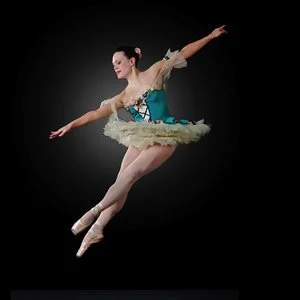
When students flex their feet, they bring their toes toward their shins. When they point, they extend their feet away from their bodies, lengthening through the ankles and toes.
Practicing these movements helps children develop awareness of their feet and ankles, improve coordination, and begin building the muscular control they'll eventually need for ballet steps such as tendu, dégagé, and grand battement.
When performed in a seated position, the exercise can also provide an opportunity to practice upright posture and trunk control.
For preschool students, however, our primary goal isn't achieving a perfectly pointed foot. It's helping children discover how their feet move and encouraging them to explore those movements with increasing control.
Four Imaginative Ways to Teach Flex and Point
One of my favorite ways to teach young children is to use imagery that makes an otherwise abstract movement easy to understand.
Here are four simple ideas you can incorporate into your preschool ballet classes.
1. Hello Toes, Goodbye Toes!
Ask your students to stretch their legs out in front of them.
When they flex their feet, have them say, "Hello, toes!"
When they point their feet, have them say, "Goodbye, toes!"
The idea is that when their feet are flexed, they can see their toes. When they point, their toes seem to disappear.
This simple exercise works especially well with younger preschoolers because the words are easy to remember and naturally correspond to the two movements.
2. Make Your Toes Disappear
Ask your students, "Can you make your toes disappear?"
Encourage them to point their feet and watch as their toes seem to vanish from view.
Then ask, "Can you make them reappear?"
As they flex their feet, their toes pop back into sight.
You can repeat this several times, alternating between making the toes disappear and bringing them back again.
3. Add a Little Magic
For a variation on the disappearing toes exercise, give each student a magic wand.
Have students wave their wands over their feet as they point and flex, pretending to make their toes disappear and reappear.
Props can be particularly helpful when introducing an exercise for the first time or bringing fresh interest to a familiar movement.
4. Make a Wish in the Wishing Well
For older preschoolers who are beginning to develop more control over their feet, ask them to imagine holding a penny underneath the arch of each pointed foot.
Can they keep their imaginary pennies from falling?
When it's time to flex, have them release their pennies into a pretend wishing well and make a wish!
Teaching tip: Be sure students imagine holding the penny beneath the arch of the foot rather than gripping it with their toes. We want to encourage a long, pointed foot, not curled or scrunched toes.
What About Posture?
One of the most common challenges with seated flex-and-point exercises is maintaining an upright position with the legs extended in front of the body.
Young children may round their backs, lean backward, or bend their knees to make the position more comfortable.
This isn't necessarily a matter of poor effort or lack of attention. Sitting upright with straight legs requires sufficient hamstring flexibility as well as trunk control, and children develop these abilities at different rates.
For children under five, I generally allow them to place their hands on the floor beside their hips for support. This can help them maintain a more comfortable, upright position while concentrating on the movement of their feet.
As students grow older and develop greater control, they can gradually work toward sitting upright without using their hands for support.
However, I wouldn't insist on unsupported sitting if a student can only accomplish it by significantly rounding the back or straining to maintain the position.
A small bend in the knees may also be helpful for a student whose hamstring flexibility makes sitting upright with extended legs difficult.
The goal is to develop good movement habits gradually, not to force a position a child isn't yet ready to maintain.
Keep It Simple and Imaginative
As with many preschool ballet exercises, flex and point doesn't need to be complicated to be effective.
A few repetitions, an imaginative prompt, and an opportunity to practice the movement regularly can go a long way toward helping children develop awareness and control of their feet.
By introducing these movements through play, we're giving young dancers a foundation they can continue building on as their ballet technique develops.